


Women in Buddhist Mindfulness: Tracing the Quiet Power of Practitioners and Teachers

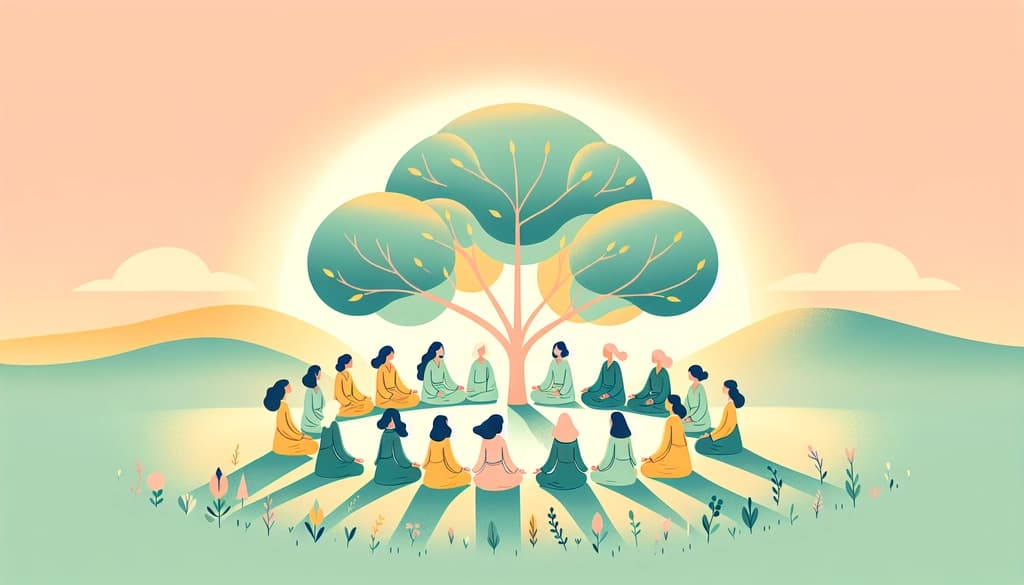
There is a hush before dawn—a quiet felt not only in monasteries or temples, but within the pulse of daily life. For so long, the stories of women in Buddhist mindfulness have been whispered more than spoken, woven through memory and lineage. Yet wherever you listen deeply—in retreat halls, online sanghas, or the gentle rhythms of home practice—the voices of women practitioners are present, steady as rivers meeting ocean.
A History Carried in Silence and Song
In ancient texts, a few names glow quiet as lanterns: nuns reciting verses at first light, mothers weaving mindfulness into kitchen rituals, daughters lingering in the hush of dawn. Their records are sparse, but their practices shaped transmission, often behind the scenes. To walk this path now is to feel the shadow and warmth of their presence—those who tended the flame when recognition flickered.
The influence of women philosophers stretches through time, quietly arriving in present-day Buddhist mindfulness practice. Just as these philosophers and teachers shaped conversations on awakening and ethics, so too have women’s wisdom threads guided mindful living—often in subtle and persistent ways.
Today, many women teachers in Buddhist mindfulness are stepping forward, offering teachings shaped by both tradition and lived experience. Buddhist traditions are continually enriched by the forgotten voices in mindful wisdom of women sages, their stories echoing as gentle reminders to honor insight that arises from different kinds of silence and strength.
At the Heart of Practice: Embodied Listening
If you close your eyes and let your breath settle, perhaps you can sense lineage moving through you—a string of women teachers guiding practice not with authority, but with deep listening. Some days, guidance arrives in a voice—gentle, grounded—or in the memory of a friend’s warm hand on your shoulder. Other times, it is felt in your own willingness to pause, to meet your day with courage and care. Women practitioners shape the impact of women in mindfulness lineages across many traditions—quietly influencing both formal gatherings and everyday acts of presence.
- Notice how stories of women practitioners echo in your own journey—through books, teachings, or lived example.
- Let your breath be a thread—a way of returning, over and over, to presence.
- Honor both the visible teachers and those whose lessons were given in the quiet spaces.
A Living Lineage: Everyday Teachers
Sometimes a teacher is found in a lineage holder, their dharma talk carrying wisdom across distance and time. Other days, your teacher may be the neighbor who rises early to meditate, or the friend who offers kindness during struggle. In the garden of Buddhist mindfulness, women continue to tend, seed, and water. Their teaching flows not only through instructions, but through everyday acts of return—making tea, pausing with a child, offering attention instead of advice. We can also glimpse the strong threads connecting women’s presence in Buddhist mindfulness to the women masters in Zen and Taoism, whose calm power shaped wisdom traditions across the East.
Finding Our Place in the Circle
Wherever you sit—in sunlit meditation halls or in the in-between quiet of your kitchen—know that your presence joins a living, breathing story. The teachings of women in Buddhist mindfulness remind us that presence is not singular but woven, held and passed hand to hand. In honoring the women teachers and practitioners who came before and walk beside us now, may we each become a small light for those who follow. The women’s perspectives on mindful resilience help us navigate cycles of both challenge and renewal, weaving our unique experiences into the wider fabric.
- Breathe with what’s here—your body, your lineage, your longing.
- Let your next breath be a soft beginning; the path continues under your feet.
- Remember: you’re already part of the story, carried by those who opened the way.