

Vedantic and Yogic Views on Consciousness
Journey into the profound wisdom of Hindu and Vedantic philosophies. Explore ancient teachings, timeless practices, and their relevance for modern living.

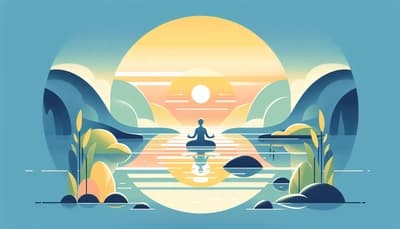
Vedanta, Yoga, and Western Consciousness: Mapping the Inner Terrain
What does it mean to be aware—to really know the silent ground beneath thought and feeling? Through the quiet wisdom of Vedanta and Yoga, and the analytic gaze of Western consciousness studies, we find not just answers, but deep and living questions.
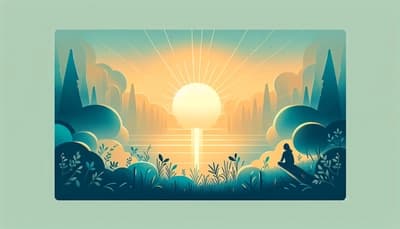
Meditation Techniques for Expanding Consciousness: An Invitation Into Spacious Awareness
You might come to meditation with curiosity or longing, unsure what expanding consciousness truly means. Here, the journey begins in quiet attention—each breath an opening, each pause an invitation to awaken to inner and outer worlds.

Stories from Yogic Texts: Parables of Consciousness and Wisdom
Sometimes the mind seeks not explanation, but a story that sinks quietly to the heart. In these ancient yogic parables, wisdom moves like water—shaping, nourishing, and returning us to the present moment.

Advaita Vedanta and the Quiet Mystery of Non-Dual Consciousness
If you’ve ever sensed that the boundaries between self and world are softer than they appear, you are not alone. Advaita Vedanta invites us into the spaciousness of non-dual awareness—a truth that can be felt in the hush of dawn, or in the silent connectedness between all living things.
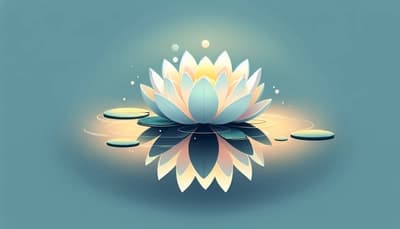
Lotus Symbolism in Yoga and Vedanta: Blooming Beyond the Mud
The lotus catches our gaze not just for its beauty, but for the quiet story it carries—a promise that something sacred may rise from what feels tangled and unclear. In the traditions of yoga and Vedanta, the lotus holds layers of meaning, each petal unfolding a new way to meet our own consciousness.

Consciousness in Classical Yoga and the Invitation of the Contemporary Mind
We meet consciousness in many forms—old as mountain stone, fresh as rain. In the space where classical yoga touches the present, what shifts, what stays, and how do we sense the living edges between tradition and now?