


Self-Judgment or Self-Compassion? Listening Beyond the Inner Critic

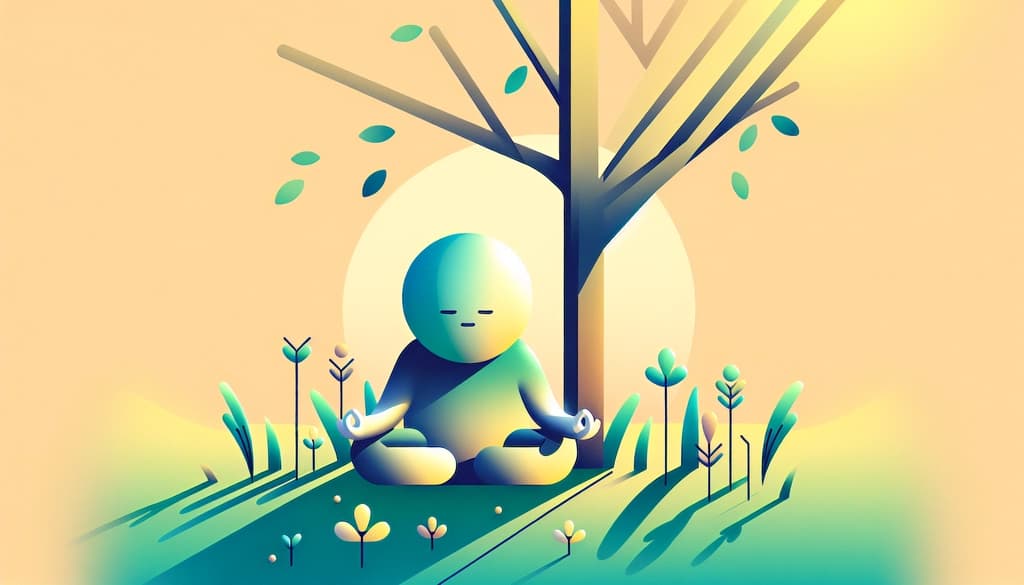
There are days when self-judgment arrives as soon as we wake, casting its shadows before our feet touch the floor. Sometimes it clings like the memory of cold air, tightening the chest, narrowing the breath. We may wonder if compassion for ourselves is even possible in such a climate—or if listening to that softer inner voice is just wishful thinking.
But pause for a moment. Notice where you are—what the air feels like against your skin, whether the day begins with fog or wide, blue sky. How do your shoulders respond when old self-judgment whispers? We may recognize its script: 'not enough,' 'should be different,' 'here you go again.' Just noticing, without turning away, can be the first soft root of self-compassion.
The Cycle of Self-Judgment: Shadows and Habit
Most of us learned self-judgment in quiet, unnoticed ways—a glance in the mirror, a rushed mistake, a forgotten promise. Its language is familiar and wearying, insisting we must fix, improve, harden. Over time, judgment forms a cycle: pain breeds harshness, which brings more pain. The mind loops, the body tightens.
I remember a morning after a sleepless night—my thoughts welling up as blame. 'Why can’t you get it right?' The world outside was tender with dew, but inside, I was tangled in old narratives. Sometimes, mild awareness breaks through: What would it feel like to greet yourself as you might a beloved friend on a difficult day? Sometimes, it helps to remember that practicing kindness to yourself is a powerful antidote to self-judgment, especially when the cycle feels endless.
The Undercurrent of Self-Compassion
Self-compassion is not about denying mistakes or pretending to be perfect. It’s the art of being honest with ourselves with kindness—like sunlight on frozen ground, making space for warmth to rise again. When we recognize moments of suffering, self-compassion invites us to soften inwards, to care for our humanity rather than bracing against it.
- Notice where judgment lives in the body—jaw, shoulders, gut.
- Bring a mindful breath to that place, as if tending a fragile seed.
- Ask: 'Can I offer warmth here, even if just for a moment?'
If it feels hard, let that be part of the kindness, too. Minds conditioned to self-judgment do not unwind overnight. Compassion grows in the humble soil of patience and practice.
Sometimes breaking the self-judgment cycle means building resilience with self-compassion. Like soil slowly nourishing new growth, this steady kindness becomes a foundation for meeting difficulty without collapsing into old harshness.
Breaking the Cycle: Practicing Mindfulness and Compassion
Self-judgment and self-compassion are both habits of attention. With mindfulness, we begin to notice which we are feeding, and gently choose another way when possible. Like the seasons returning, this is not about perfection but learning to turn toward what’s here—then turning one breath at a time toward care.
There’s a natural link between compassion and self-compassion. When we learn to offer ourselves what we long to offer others—gentle honesty, steady warmth—the inner weather begins to shift.
If old judgment returns, trust in the possibility of gentle wisdom for self-love. Let your kindness meet your pain, again and again—like rain meeting dry ground, until something living grows.
Often, dealing with negative self-talk is an essential step in coming home to yourself. As old narratives soften, space opens for new presence—grounded, human, and whole.
Trusting the Practice, Season by Season
There is nothing soft or sentimental about practicing self-compassion. It is a return—a way to meet ourselves and the world with honesty and care, even when the inner critic persists. Each kind breath, every moment of mindful presence, is a step toward homecoming.
Let your next breath be a soft beginning. The earth beneath you is steady enough for both your doubts and your hopes. In time, self-compassion can grow where once only judgment lived.