


Identity, Gender, and Inclusion: Mindfulness as a Path Home

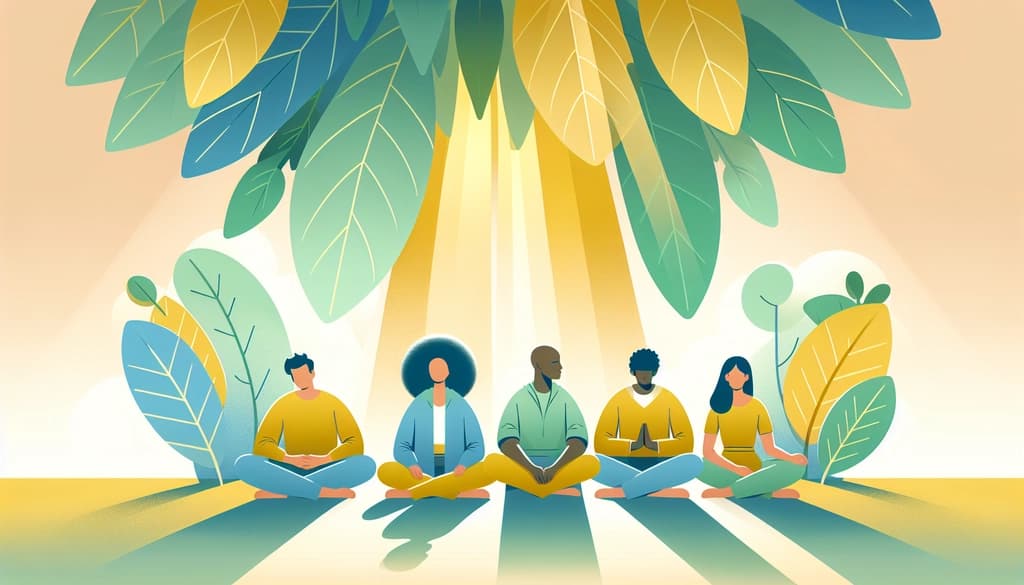
Outside, the wind is restless in the leaves. Inside, you might feel a similar stirring—the inquiry of who you are, how you belong, and where your truth finds room to rest. The work of identity is often both visible and hidden, voice and silence, word and wounding. With gender and inclusion, these interior landscapes grow even more layered, sometimes tender, sometimes thorned—always worthy. Gender and inclusion topics are often best understood within the lens of modern relevance of mindful philosophy, illuminating how mindfulness speaks to our times.
Breathing Into Being: The Mindfulness of Identity
There are moments when the world presses us to speak our edges. 'Who are you?' it asks, with forms and glances and sometimes judgment. Yet, beneath every label and longing, the breath continues—steady, unbiased, welcoming. You might notice as awareness settles, labels lose their power to confine; spaciousness emerges between thought and self, between past and what might come next. This is especially true when we reflect on intersectional mindfulness perspectives, recognizing how different threads of experience shape the whole of our being.
Years ago, I remember pausing before a mirror, uncertain whose reflection I carried home. Gender felt both shelter and question. Sometimes, I softened into belonging simply by focusing on the way my in-breath met my heart and my out-breath grounded my body. What would it be like to greet your present-moment self the way sunlight meets the forest floor—without demand or expectation?
Inclusion Begins in Stillness
Mindfulness is often spoken of as a personal refuge, but its wisdom inclusion is also deeply communal. When we pause to notice our breath, we create the first opening for others to be noticed too. On days when exclusion pinches or difference feels isolating, presence can be a soft bridge between stories—a place where naming, listening, and being held can safely coexist. Modern inclusion efforts in mindfulness depend upon adaptation to cultural and identity diversity, inviting us to honor the spectrum of lived realities.
- Feel the air touching your skin—does it bring comfort, awkwardness, memory?
- Listen for the names and narratives running in your mind, and allow them to float by, just clouds in the sky.
- Notice where belonging feels clenched, and where it naturally loosens in the exhale.
The seed of inclusion is presence—a gaze that does not waver when another shows the truth of who they are. Wisdom grows slowly from paying attention, over and over, to the pulse of difference as well as to what is shared. Inclusive mindfulness means also considering how mindfulness supports justice and equity in our larger social world, extending care beyond the self.
Letting Identity Unfold With the Seasons
Identity, like weather, changes shape as we grow. Today your sense of gender, your experience of self, may shimmer with one quality—tomorrow, another. To meet yourself, and others, as you are now—this is mindfulness in action. Consider the way dusk does not cling to daylight, or the river surrenders shape for flow. Can we offer that same permission to our evolving selves? Gender and inclusion in mindfulness go hand-in-hand with inclusive ethics as a foundation, reminding us that integrity and kindness co-create space for all identities to be seen.
- Invite your breath to be the main name you answer to.
- Welcome each part of your identity as seasons—none are final, each are worthy.
- Let inclusion be an embodied practice, not just a word or a wish.
If your story of self feels uncertain, breathe with what’s here. In the spaciousness of presence, wisdom grows—not in spite of your difference, but because of it. Each breath is a quiet affirmation: you, as you are, belong. These dialogues about gender and inclusion naturally invite us to reflect on our own virtue and personal responsibility, remembering that our choices in mindfulness ripple gently toward others.